Looking to Sell or Let?
Begin your journey with a free property valuation. Get the facts and figures to make informed decisions.
Property Valuation
"*" indicates required fields


Maintaining and repairing rental properties is one of the ongoing responsibilities and costs for landlords. Even with responsible tenants in your property, there will still be wear and tear from everyday living and appliances or items will need to be repaired. There may also be accidental damages and possibly damage caused through weather incidents.
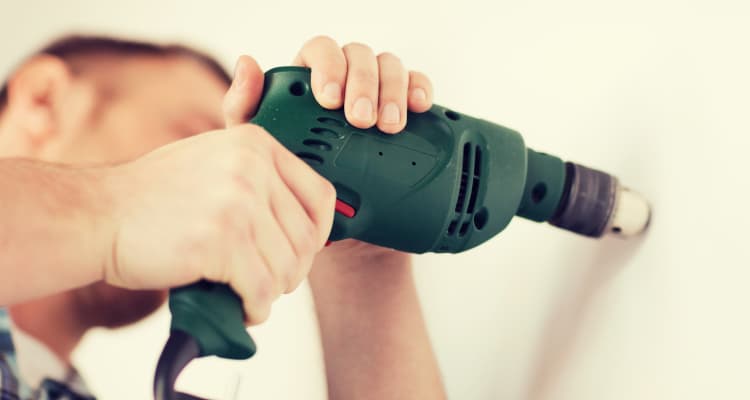
However, not all repair costs are the responsibility of the landlord, and understanding the legal obligations for both landlords and tenants can help you to avoid paying for unnecessary costs.
If you are a landlord in areas such as Cricklewood, Kilburn or Queens Park, keeping your expenses to a minimum will help to maximise your rental yield. This guide provides an overview of the legislation that applies to repair obligations, so you know exactly what you will and won’t need to pay for, and to learn the rules to follow to stay compliant with regulations.
The main piece of legislation that determines the repair obligations for rental properties is the Landlord and Tenant Act 1985. Section 11 sets out the legal obligations for repairs, covering all properties including both shorthold and periodic tenancies. Tenancy agreements should include the maintenance responsibilities for both the landlord and the tenant, including the responsibility for the tenant to report maintenance issues.
Under Section 11 of the Landlord and Tenant Act 1985, landlords are responsible for repairing:
The landlord is also obliged to carry out timely repairs, which means once a tenant reports an issue that requires repair, the landlord is legally required to arrange for repairs to be completed within an adequate timescale.
Want to know more? Repair obligations sit alongside a wide range of other landlord duties — our landlord compliance checklist brings them together, and our guide to landlords’ obligations to tenants gives the full regulatory picture.
The main exemptions that apply to landlords include:
The tenant is responsible for minor repairs such as replacing light bulbs and fuses, and batteries in smoke detectors. Tenants are also responsible for minor repairs that are required as a consequence of damage that they or their guests have caused.
Properties with tenancies longer than 7 years are exempt from the rules under Section 11 of the Landlord and Tenant Act 1985.
In circumstances where the landlord has not met their legal responsibilities in relation to carrying out repairs, the local authority may take action against the landlord. The tenant can contact the Environmental Health or Housing Department who will assess the case.
If the local authority deems that the landlord has to carry out repairs, they can issue an improvement notice to the landlord. In some cases, the local authority may decide to complete the repairs and then request payment form the landlord.
When a tenant reports an issue that would fall under the category of “unfit for human habitation”, the local authority uses the Housing Health and Safety Rating System (HHSRS) to assess whether a property meets the minimum requirements. Tenants can take court action to sue a landlord and if the judge decides that the property is unfit for human habitation, the landlord will usually have to pay damages to the tenant.
In addition to the Landlords and Tenants Act 1985, the following legislation includes rules around maintaining rental properties:
Homes (Fitness for Juman Habitation) Act 2018 – This legislation requires the landlord to ensure the rental property is fit for human habitation both at the beginning and throughout the duration of the tenancy. It includes meeting standards related to health and safety, such as dealing with damp and mould issues, poor ventilation and fire and electrical safety hazards.
Housing Act 2004 (Housing Health and Safety Rating System) – The Housing Act introduced the use of the Housing Health and Safety Rating System (HHSRS) to provide a measurement for the standards of housing conditions. It encompasses a risk assessment against a list of hazards including damp and mould, fire and electrical hazards.
Environmental Protection Act 1990 – This law includes the requirements to deal with statutory nuisances such as the accumulation of waste, noise and light that affects the housing conditions of property.
Defective Premises Act 1972 – Under this law, landlords are liable for any injuries caused to occupiers that have been caused by disrepair.
Buildings Safety Act 2022 – The Building Safety Act 2022 introduced amendments to the Defective Premises Act 1972 to strengthen building safety and to increase accountability of property developers and construction companies.
The Renters’ Rights Bill is set to introduce to key changes to landlord responsibilities to improve housing conditions in private rented properties. There will be stricter rules and increased penalties for landlords of properties that do not meet the required standards. The introduction of Awaab’s Law and the Decent Homes Standard are key elements of this, which are detailed below.
Want to find out more? If a dispute arises at the end of a tenancy over damage versus fair wear and tear, read our guide to the tenancy deposit dispute procedure to understand how the process works.
Awaab’s Law forms part of the upcoming Renters’ Rights Bill, and it will bring in timeframes for landlords to deal with damp and mould issues. Once a tenant reports an issue, the landlord will have set timescales to investigate and fix damp and mould in their rental properties.
When the Renters’ Rights Bill comes into effect, a set of minimum standards across safety, heating and structural safety will be introduced and local authorities will have more power to act against landlords of properties that fail to meet the required standards.
Staying up to date with the latest landlord regulations can be challenging but we can help – with guides on rent increases, selling a house with tenants, and deposit disputes. With many years of supporting landlords in Neasden, Dollis Hill and Kensal Rise, we provide a comprehensive lettings service including compliance support. Get in touch with our team to find out more.
Begin your journey with a free property valuation. Get the facts and figures to make informed decisions.
"*" indicates required fields
Want to discuss something more specific? Contact us, and we will be more than happy to help you.
"*" indicates required fields


Licensing rarely generates excitement, but it should always command attention. For landlords across North West London, complian...

Dealing with rent arrears is one of the most stressful aspects of being a landlord and it is essential that you do not end up on the wron...

Late rent payments can seriously add to the stress of being a landlord, but a calm and professional response can help to resolve the situ...