Looking to Sell or Let?
Begin your journey with a free property valuation. Get the facts and figures to make informed decisions.
Property Valuation
"*" indicates required fields


Wondering whether or not to buy or rent a home in West Hampstead?
West Hampstead’s mansion blocks can make quite an impression, before you even catch a glimpse of the area’s Victorian terraces. Sitting in the London Borough of Camden, and spanning the NW3 and NW6 postcodes, the area’s Victorian and Edwardian architecture is its hallmark.
The homes here were built in response to the arrival of the railway lines that still serve the area today, and in fact, still pull in commuters looking for easy transport access. The result is a network of densely packed terraces, imposing mansions and purpose-built blocks, with newer apartment schemes recently appearing on the scene.
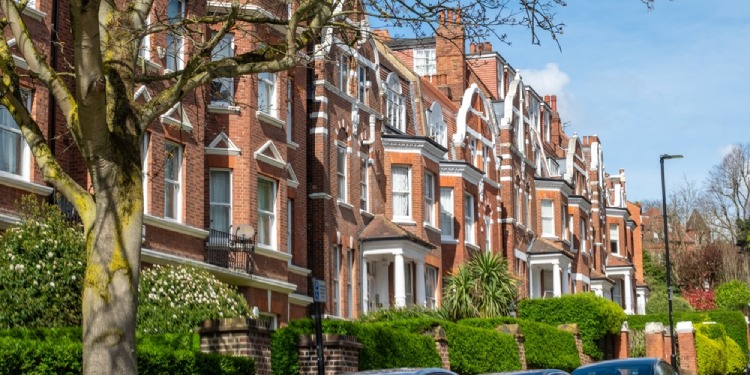
Compared to neighbouring Hampstead, where detached houses and large semis dominate the upper end of the market, flats are a firm favourite in West Hampstead.
Whether you are looking for a new purpose-built apartment, period flat, or one converted from a larger house, you can find it here. But what distinguishes West Hampstead from, say, Kilburn or Cricklewood is the relative consistency of build quality across its Victorian and Edwardian stock.
Here’s what you need to know about West Hampstead’s property types…
| Property Type | Typical Period | Typical Tenure | Approximate Price Range |
|---|---|---|---|
| Purpose-built mansion block flat | 1890s–1910s | Leasehold | £450,000–£900,000 |
| Converted flat (Victorian terrace) | 1870s–1900s | Leasehold | £400,000–£750,000 |
| Victorian terraced house | 1870s–1900s | Freehold | £1.1m–£1.6m+ |
| Edwardian semi-detached house | 1900s–1914 | Freehold | £1.4m–£2m+ |
| New build apartment | 2010s–present | Leasehold | £630,000+ |
Purpose-built mansion block flats are prevalent in West Hampstead. The blocks that line Broadhurst Gardens, Priory Road, and Greencroft Gardens were built as purpose-built rental accommodation for the professional classes arriving on the new Jubilee and Overground lines. Most are now sold on long leases, and buyers should pay close attention to lease length, service charge levels, and the age of shared parts of the building to avoid unexpected costs down the line.
Converted flats occupy the quieter Victorian terraces, usually two- or three-bed flats created by splitting a three- or four-storey house. The conversion quality varies considerably, so approach these on a case-by-case basis when looking to buy. Since the 2010s, new build apartments have entered the mix, particularly around the stations. These are overwhelmingly leasehold, and typically come with a modern service charge structure, but always read the small print before buying.
Victorian and Edwardian houses are available but represent a smaller share of the market. Full houses in West Hampstead proper tend to appear on the streets running off West End Lane, including Mill Lane and the roads between Broadhurst Gardens and the Finchley Road. Edwardian semis, typically larger and with more generous gardens, are more common as you move towards Fortune Green.
There are several designated areas in and around West Hampstead, allowing its period appeal to live on.
The West End Green and South Hampstead Conservation Areas covers a substantial portion of the residential streets to the west of West End Lane. Fortune Green itself is protected, too, safeguarding this little pocket of greenery among the residential streets. Yet buyers should understand the implications, as some conservation area limitations affect repairs you may not think twice about in another setting.
The London Borough of Camden designated these area to protect their period character, and permitted development rights are restricted to achieve the desired result. This means that extensions, alterations to rooflines, and changes to front elevations typically require planning permission rather than falling under permitted development rules. Original windows, doors, and external materials are subject to greater scrutiny, and like-for-like repair is strongly preferred to a modern replacement.
Buyers purchasing within the conservation area should factor in the additional consent requirements before assuming that a loft conversion or rear extension is straightforward. That said, many buyers specifically seek out the protection the designation provides, since it reduces the risk of neighbouring properties being significantly altered.
There are no Grade I listed buildings within West Hampstead proper, though a small number of locally listed buildings exist within the conservation area boundary. Camden’s local list carries weight in planning decisions, even where statutory listing does not apply. Buyers should check Camden’s planning portal for the specific listing status of any property before purchase.
The Victorian terraces in West Hampstead were built quickly and in large numbers to house the workforce drawn by the railway. They’re generally built to a reliable solid wall method, but the speed of construction in some streets means that minor settlement and movement can occur.
The Edwardian semis near Fortune Green represent some of the largest houses in West Hampstead, and several still exhibit their original internal joinery, along with stained glass and fireplaces in good condition. They are not usually extensively altered, but loft conversions are a fairly common feature.
Buyers of mansion block flats should review the block’s maintenance history carefully. The age of the roof, the condition of shared drainage, and the status of any major works planned or in progress will all affect the service charge and the likely cost of ownership over the medium term.
New development in West Hampstead has been concentrated around the junction of West End Lane and Blackburn Road, where the Underground, Overground, and Thameslink stations converge. It’s easy to see why, with the location’s obvious commuter appeal.
But the most significant live proposal as of 2025 involves a site adjacent to West Hampstead Underground station, where a developer has put forward plans to replace light industrial units with student accommodation and new homes. The scheme would also enable Transport for London to expand the station footprint, providing step-free access and widening the pavement outside the entrance.
The step-free access element is supported by £10 million secured as part of the approval of the O2 Centre redevelopment by Landsec. Buyers looking in the surrounding area would do well to follow updates as these plans take shape.
The property type largely determines what a buyer can expect in West Hampstead. Victorian and Edwardian terraced houses on the side streets typically have a rear garden and side return enclosed by a wall or fence. Front gardens on the narrower Victorian terraces are usually more modest, and often paved for bin storage – a practical adaptation for many families. Edwardian semis near Fortune Green tend to have more generous plots, occasionally with side access and larger rear gardens.
Converted flats present a mixed picture for buyers. Ground-floor conversions frequently have exclusive use of the rear garden, or a designated portion of it. Upper-floor flats typically have no private outside space, though some mansion blocks have communal garden squares. A number of the larger blocks in West Hampstead have communal garden areas, but access and maintenance arrangements vary. As a rule, don’t rely on assumptions when buying a flat, as garden rights are not always clearly defined in older conversion leases.
New build apartments in the area are more likely to include a private balcony or terrace, though these vary considerably in size and orientation. Off-street parking is scarce across West Hampstead generally, and most streets fall within controlled parking zones. Buyers who need to keep a car should always investigate the relevant zone’s permit availability before committing.
West Hampstead’s homes are predominantly Victorian and Edwardian, and period properties of this age carry a rather consisted set of survey considerations. The following apply specifically to the types of property most commonly found here.
A full RICS Level 3 Building Survey is strongly recommended for any Victorian or Edwardian property in West Hampstead, and for mansion block purchases a HomeBuyer Report is the minimum. Do not rely on a mortgage valuation to identify structural or condition issues, as it won’t cover the information you need.
Are you looking for a mansion block flat with period hallmarks, a Victorian terrace on one of the quieter residential streets, or a new build apartment close to the Tube, Overground and railway stations?
It’s worth considering what you value most as you enter the West Hampstead property market. Portland Estate Agents knows this market in detail, and will be glad to help you find your way. Register as a buyer to stay ahead of new instructions, or contact us to talk through what the current stock looks like and where the best value is right now.
In West Hampstead, flats are the leading property type, both purpose-built mansion block flats from the 1890s and 1900s as well as converted flats within Victorian terraces. Full houses, including Victorian terraces and Edwardian semis, are available but they represent a smaller market share and often command significantly higher prices.
Yes. The Fortune Green and West Hampstead Conservation Area covers a substantial portion of the residential streets to the west of West End Lane. Within this area, permitted development rights are restricted, meaning extensions and changes to external appearance typically require planning permission rather than proceeding under permitted development.
The majority of property transactions in West Hampstead involve leasehold flats, due to the high proportion of mansion block and converted flats. When making any leasehold property purchase, check the lease length, ground rent terms, and service charge history carefully before proceeding. Terraces, semi-detached and detached houses are typically freehold, however.
The key survey considerations for Victorian and Edwardian property in West Hampstead include damp in solid brick walls, the condition of original clay drainage, flat roof extensions, chimney stack integrity, and the age of electrical systems. A full RICS Level 3 Building Survey is strongly recommended, as a mortgage valuation will not provide the detail you need.
Yes, new build apartments have appeared in West Hampstead since the mid-2010s, largely around West End Lane and the three stations. A further development adjacent to West Hampstead Underground station, which would add new homes alongside student accommodation, was at planning consultation stage in 2025.
Begin your journey with a free property valuation. Get the facts and figures to make informed decisions.
"*" indicates required fields
Want to discuss something more specific? Contact us, and we will be more than happy to help you.
"*" indicates required fields

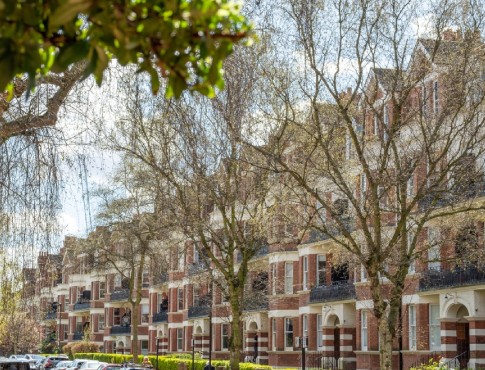
Why Two Streets 50 Metres Apart in West Hampstead Can Differ by Hundreds of Thousands West Hampstead is deceptively complex. Same postco...
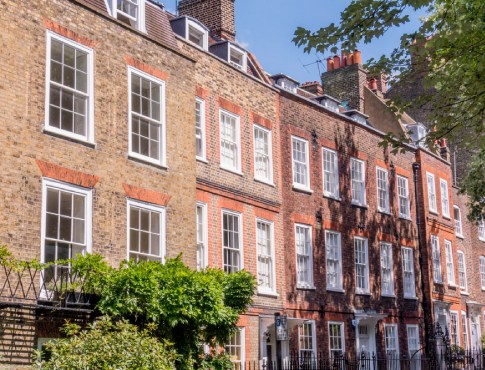
West Hampstead: Three Tube Lines, One Neighbourhood What if you could access the Jubilee line, London Overground, and Thameslink all wit...
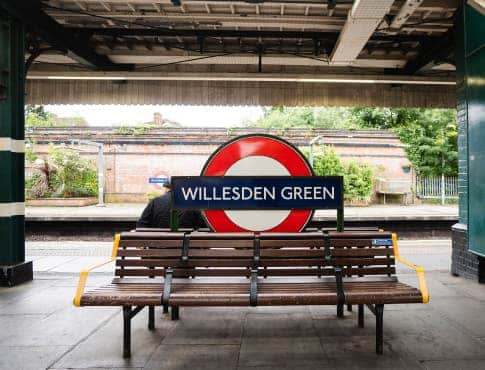
Is Willesden Green London's Best-Value Jubilee Line Address? Eight minutes from Bond Street yet priced well below its neighbours, Willes...